

Arovia Import Exports
Supplying Quality Turmeric, Turmeric Powder,
Banana, Banana Powder, Onion, Moringa Powder & Natural Products
Supplying Quality Turmeric, Turmeric Powder,
Banana, Banana Powder, Onion, Moringa Powder & Natural Products

Need help ?
+91 9270258133
+91 9270258133
Turmeric Varieties
Premium Turmeric Varieties
Discover our wide range of high-quality turmeric varieties, each with unique characteristics and benefits
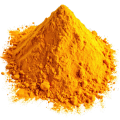
Salem Turmeric Powder
Curcumin: 3-5% (Up to 6% in Premium)
Salem Turmeric Powder is one of the most famous varieties of turmeric from Tamil Nadu, India, particularly from the Salem district — known for producing high-quality, bright yellow turmeric with rich aroma and strong medicinal properties.
Curcumin Percentage
Curcumin content: Usually ranges between 3% to 5% (sometimes up to 6% in premium quality). This is higher than regular turmeric, which typically has around 2–3% curcumin.
Curcumin is the main active compound responsible for turmeric's anti-inflammatory, antioxidant, and healing properties.
Characteristics
- Bright golden-yellow color
- Fine texture when powdered
- Strong aroma and flavor
- Naturally dried and sun-cured roots (in traditional methods)
Uses & Benefits
Culinary Uses
- Widely used in Indian cooking for flavor and color
- Added to curries, dals, rice, milk (haldi doodh)
- Used in soups and pickles
Health & Medicinal Uses
- Taken with warm milk to boost immunity
- Reduces inflammation and joint pain
- Helps with arthritis and digestion
- Acts as natural antiseptic for cuts and wounds
- Supports liver detoxification and skin health
Cosmetic & Skin Care
- Face packs for glowing skin and acne control
- Reduces pigmentation, dark spots, and blemishes
- Mixed with besan (gram flour) and milk for natural skin cleansing
Other Uses
- Used in Ayurvedic and herbal formulations
- Sometimes used for religious and ceremonial purposes
Key Benefits
Anti-inflammatory
Antioxidant
Antimicrobial
Digestive Aid
Immunity Booster
Skin Glow
For Maximum Absorption of Curcumin
Combine with Black Pepper: Piperine boosts curcumin absorption up to 2000%
Take with Healthy Fats: Like ghee, coconut oil, or milk for better absorption
Rajapuri Turmeric Powder
Curcumin: 2.5-4%
Rajapuri Turmeric Powder is one of the most popular and high-quality varieties grown mainly in Sangli, Maharashtra, and parts of Karnataka and Tamil Nadu.
Curcumin Percentage
Curcumin content: Approximately 2.5% to 4%. Slightly lower than Salem turmeric (which has 3–5%), but Rajapuri turmeric is prized for its bright color, aroma, and oil content, making it excellent for culinary and cosmetic use.
Characteristics
- Bright yellow-orange color
- Distinct earthy aroma
- Thick, long fingers (rhizomes) with high oil content
- Fine, smooth texture when ground into powder
- High yield and commonly used for turmeric powder export and curcumin extraction
Uses & Benefits
Culinary Uses
- Extensively used in Indian cooking — curries, gravies, soups, dals, and pickles
- Adds rich color, flavor, and aroma to dishes
- Used in turmeric milk (haldi doodh) and golden latte for wellness
Medicinal & Ayurvedic Uses
- Contains anti-inflammatory and antiseptic properties
- Helps with joint pain, cold, cough, and digestion
- Used in Ayurveda for detoxification and blood purification
- Improves immunity and supports liver function
Cosmetic & Skin Care
- Common in homemade face packs for glowing, clear skin
- Helps reduce acne, dark spots, and pigmentation
- Mixed with honey, curd, or besan for natural skin treatments
Religious & Ritual Uses
- Used in puja, haldi ceremonies, and traditional auspicious rituals
Key Benefits
Anti-inflammatory
Antioxidant
Antibacterial & Antifungal
Digestive Health
Immunity Booster
Skin Health
For Maximum Absorption & Storage
Combine with Black Pepper: Piperine boosts curcumin absorption
Take with Healthy Fats: Like ghee, milk, or coconut oil for better absorption
Proper Storage: Store in airtight container away from moisture and sunlight
Erode Turmeric Powder
Curcumin: 4-6%
GI Tag Certified
Erode Turmeric Powder is one of India's most premium and sought-after turmeric varieties — often called "Erode Haldi" or "Erode Manjal." It's named after Erode district in Tamil Nadu, known as the "Turmeric City of India" because of its large-scale, high-quality production.
Curcumin Percentage
Curcumin content: Typically 4% to 5%, sometimes reaching up to 6% in the best grades. This makes Erode turmeric among the richest in curcumin, comparable to or slightly higher than Salem turmeric.
The high curcumin content gives it strong anti-inflammatory, antioxidant, and healing properties.
Characteristics
- Deep golden-yellow to orange color
- Rich earthy aroma
- Smooth texture when ground
- High curcumin and oil content
- Holds GI (Geographical Indication) tag for authenticity and purity
Uses & Benefits
Culinary Uses
- Widely used in South Indian and global cuisines
- Adds bright natural color and mild flavor to curries, rice, dals, soups, and pickles
- Used in turmeric milk (haldi doodh) and golden latte for wellness
- Commonly used in food industries and spice exports
Medicinal & Ayurvedic Uses
- Acts as a natural anti-inflammatory and antioxidant
- Helps relieve joint pain, arthritis, and muscle soreness
- Aids in digestion, liver detox, and immune boosting
- Used in Ayurveda and Siddha medicine for skin diseases and infections
- Supports wound healing and respiratory health (cold, cough)
Cosmetic & Skin Care
- Common in traditional beauty routines
- Used in face packs for glowing, clear, and even-toned skin
- Helps reduce acne, dark spots, and tanning
- Mixed with honey, curd, or gram flour (besan) for natural skin treatments
Health & Beauty Benefits
Anti-inflammatory
Antioxidant
Antibacterial
Immunity Booster
Digestive Support
Skin Health
Best Ways to Consume
Mix with Black Pepper: Piperine increases curcumin absorption by 2000%
Take with Healthy Fats: Like ghee, coconut oil, or milk for better absorption
Daily Consumption: Add ½ tsp to warm milk or smoothies for general wellness
Lakadong Turmeric Powder
Curcumin: 7-12% (Average 9%)
World's Best Turmeric
GI Tag Certified
Lakadong Turmeric is considered the world's best and most potent turmeric variety, grown in the pristine hills of Lakadong village, Jaintia Hills, Meghalaya (India).
Curcumin Percentage
Curcumin content: 7% to 12% (average 9%). That's 2 to 3 times higher than common turmeric varieties like Erode (4–6%) or Salem (3–5%).
It's the highest naturally occurring curcumin turmeric in the world, which is why it's highly valued in both Ayurveda and modern health supplements.
Characteristics
- Grown organically in the hills of Meghalaya with no chemicals
- Deep orange-yellow color
- Strong earthy aroma and slightly bitter taste (due to high curcumin)
- Fine, smooth texture when powdered
- Recognized under Geographical Indication (GI) tag as "Lakadong Turmeric of Meghalaya"
Uses & Benefits
Medicinal & Health Uses
- Rich in antioxidants and anti-inflammatory compounds
- Used for joint pain, arthritis, muscle soreness, and inflammation
- Supports liver health, digestion, and metabolism
- Boosts immunity and helps fight infections and cold/cough
- Supports brain health and reduces stress (natural mood enhancer)
- Promotes heart health by reducing oxidative stress
Culinary Uses
- Used in smaller quantities due to strong flavor
- Added to turmeric milk (haldi doodh), golden latte, smoothies
- Used in soups, curries, herbal teas, and health drinks
- Perfect for wellness routines and daily health maintenance
Cosmetic & Skin Care
- Excellent for glowing, healthy skin
- Helps in acne control, dark spot reduction, and anti-aging
- Used in DIY face packs with honey, curd, or aloe vera
- Natural antibacterial and antiseptic for wounds or skin irritation
Health Benefits
Anti-inflammatory
Antioxidant
Immunity Booster
Antimicrobial
Liver Detoxifier
Skin Health
Brain Health
How to Use for Best Results
Daily Dosage: Add ¼ to ½ tsp Lakadong turmeric powder daily
With Warm Milk: Mix with warm milk + black pepper + honey
In Smoothies/Teas: Add to smoothies or herbal teas
Morning Detox: Lukewarm water + lemon + turmeric
For Better Absorption:
🌶️ Black pepper (piperine) → boosts absorption up to 2000%
🥛 Healthy fats (like ghee, coconut oil, or milk)
Waigaon Turmeric Powder
Curcumin: 5-7%
GI Tag Certified
100% Organic
Waigaon Turmeric Powder (Waigaon Haldi) originates from Waigaon village, Arvi Taluka, Wardha District, Maharashtra, India. It is a traditional, indigenous variety cultivated using natural and organic methods for centuries.
Curcumin Percentage
Curcumin content: Around 5% to 7%. This makes it richer in curcumin than Salem (3–5%) and Rajapuri (2.5–4%), and comparable to Erode turmeric (4–6%).
The high curcumin level gives Waigaon turmeric strong medicinal value and a deep golden-yellow color. It holds a Geographical Indication (GI) Tag, recognized as "Waigaon Turmeric (Waigaon Haldi)", ensuring authenticity and purity.
Characteristics
- Naturally bright golden-yellow color
- Strong aroma and warm earthy flavor
- Organically grown without pesticides
- High oil and curcumin content
- Smooth texture when powdered
- Traditional cultivation methods for centuries
Uses & Benefits
Culinary Uses
- Adds natural golden color and mild flavor to food
- Used in curries, dals, pickles, rice, and soups
- Used to make turmeric milk (haldi doodh) and health tonics
- Popular in Ayurvedic cooking and traditional Maharashtrian cuisine
Medicinal & Ayurvedic Uses
- Known in Ayurveda as a natural antiseptic and healing agent
- Helps with joint pain and arthritis
- Effective for colds, coughs, and throat infections
- Aids digestive issues and liver detox
- Boosts immunity and controls inflammation
- Often used in herbal formulations and immunity supplements
Cosmetic & Skin Care
- Common in natural skincare routines
- Reduces acne, dark spots, and tanning
- Enhances skin glow and texture
- Can be mixed with besan (gram flour) + milk/curd
- Honey for anti-acne pack
- Aloe vera gel for soothing skin
Health Benefits
Anti-inflammatory
Antioxidant
Antiseptic
Digestive Support
Immunity Booster
Skin Health
Liver Support
How to Use for Best Results
Daily Dosage: Add ¼ to ½ teaspoon Waigaon turmeric powder daily
With Warm Milk: Mix with warm milk with black pepper and ghee
In Various Forms: Add to smoothies, soups, or herbal teas
For Maximum Absorption:
🌶️ Black pepper (piperine) → improves curcumin absorption
🥛 Healthy fats like ghee, coconut oil, or milk
Nizamabad Turmeric Powder
Curcumin: 4-6%
GI Tag Certified
Globally Exported
Nizamabad Turmeric Powder originates from Nizamabad district, Telangana, India. Known locally as "Nizamabad Haldi" or "Telangana Turmeric", it's grown mainly in Bodhan, Armoor, and nearby regions — recognized for their fertile black soil and ideal climate for turmeric cultivation.
Curcumin Percentage
Curcumin content: Around 4% to 6%. This makes Nizamabad turmeric rich in curcumin — similar to Erode turmeric and slightly higher than Salem or Rajapuri varieties.
The higher curcumin content gives it deep color, strong aroma, and notable medicinal value. Has received a Geographical Indication (GI) Tag, ensuring purity and authenticity.
Characteristics
- Deep golden-yellow to orange color
- Distinct earthy aroma and warm taste
- High curcumin and essential oil content
- Naturally sun-dried and traditionally processed
- GI-certified and exported globally
- Grown in fertile black soil of Telangana
Uses & Benefits
Culinary Uses
- Widely used in Indian cooking for color, flavor, and aroma
- Commonly added to curries, dals, soups, rice, pickles
- Used in chutneys, sauces, and various traditional dishes
- Used in turmeric milk (haldi doodh), golden tea, and immunity tonics
Medicinal & Ayurvedic Uses
- Rich in antioxidants and anti-inflammatory compounds
- Commonly used in Ayurveda for joint pain and arthritis relief
- Effective for cold, cough, and throat infections
- Supports digestive health and detoxification
- Aids liver cleansing and metabolism improvement
- Boosts immunity and blood purification
- Often recommended in daily wellness tonics and herbal formulations
Cosmetic & Skin Care
- Used in traditional beauty rituals for glowing, healthy skin
- Reduces acne, scars, and pigmentation
- Improves skin tone and brightness
- Acts as a natural antibacterial for skin infections
- Used in face packs with honey, besan (gram flour), or curd
Health & Skin Benefits
Anti-inflammatory
Antioxidant
Antibacterial/Antiviral
Immunity Booster
Digestive Support
Skin Health
How to Use for Maximum Benefits
Daily Dosage: Take ¼ to ½ tsp daily
With Warm Milk: Mix with warm milk + black pepper + ghee or honey
In Various Forms: Add to smoothies, soups, or herbal tea
Proper Storage: Store in airtight container away from moisture and sunlight
For Maximum Absorption:
🌶️ Combine with black pepper (piperine) for 20× better curcumin absorption
Sangli Turmeric Powder
Curcumin: 5-7%
Turmeric Capital of India
GI Tag Certified
Sangli Turmeric is one of the most famous and widely exported turmeric varieties from Maharashtra, India, known for its deep color, aroma, and high curcumin. It's often referred to as the "Turmeric Capital of India" because Sangli district is one of the largest turmeric trading and processing centers in Asia.
Curcumin Percentage
Curcumin content: About 5% to 7%. Some high-grade lots even test around 6.5–7%, making it richer than Salem and Rajapuri turmeric, and comparable to Waigaon and Erode turmeric.
This high curcumin gives Sangli turmeric its bright golden-yellow color, strong flavor, and medicinal potency. Received a Geographical Indication (GI) Tag in 2023 as "Sangli Turmeric" for its purity and superior quality.
Characteristics
- Deep yellow-golden color
- Pleasant earthy aroma and warm taste
- High oil content (ar-turmerone and curcumin oils)
- Smooth texture when ground
- Long shelf life
- Naturally sun-dried and traditionally processed
- Grown in Sangli, Tasgaon, and Jath regions of Maharashtra
Uses & Benefits
Culinary Uses
- Common in Indian and international cuisines for flavor and color
- Used in curries, lentils, soups, pickles, and rice dishes
- Turmeric milk (haldi doodh) and immunity teas
- Masala powders and food industries due to color stability
- Adds rich yellow color and mild aroma to food
Medicinal & Ayurvedic Uses
- Curcumin-rich Sangli turmeric used in Ayurveda for arthritis and joint pain relief
- Effective for cold, cough, and respiratory infections
- Improves digestion and liver health
- Boosts immunity and reduces inflammation
- Supports wound healing and skin detox
- Regular use may help prevent chronic diseases linked to inflammation
Cosmetic & Skin Care
- Used in traditional beauty treatments for clear, glowing skin
- Reduces acne, scars, and dark spots
- Improves skin tone and brightness
- Used in face packs with honey, curd, or besan
- Natural antiseptic and anti-inflammatory for skin
Health Benefits
Anti-inflammatory
Antioxidant
Antibacterial
Immunity Booster
Digestive Health
Skin Care
How to Use Sangli Turmeric
Daily Dosage: Mix ¼–½ teaspoon daily
With Warm Milk: Warm milk with black pepper and ghee (haldi doodh)
Morning Drink: Lemon water or herbal tea in the morning
In Meals: Add to smoothies or soups
For Maximum Absorption:
🌶️ Black pepper (piperine) → boosts curcumin absorption by up to 2000%
🥛 Healthy fats (milk, ghee, or coconut oil)
Kasturi Turmeric Powder
Curcumin: 1-2%
Wild Turmeric
External Use Only
Kasturi Turmeric, also known as "Wild Turmeric" or "Curcuma aromatica," is a special, non-edible variety of turmeric that's mainly used for skincare and cosmetic purposes, not for cooking or oral consumption.
Curcumin Percentage
Curcumin content: Around 1% to 2% (very low compared to edible turmeric varieties). Kasturi turmeric's main active compounds are essential oils and volatile aromatic compounds, not curcumin.
Because of this, it's not suitable for internal consumption — it's used only externally on the skin. Botanical name: Curcuma aromatica. Grown mostly in South India (Kerala, Karnataka, Tamil Nadu) and parts of Northeast India.
Characteristics
- Pale yellow color (lighter than regular turmeric)
- Strong, pleasant aroma (not pungent like Curcuma longa)
- Non-staining (doesn't leave yellow marks on skin)
- Naturally antiseptic and anti-inflammatory
- Safe for all skin types
- Naturally aromatic and smooth in texture
- Known for cosmetic value rather than medicinal or culinary use
Uses & Benefits
Cosmetic & Skin Care
- Main purpose: Natural beauty and skin treatment
- Used in face packs and masks for glowing skin
- Effective for acne and pimples control
- Dark spot and pigmentation reduction
- Even skin tone and fairness enhancement
- Natural oil control for oily skin
- Commonly mixed with besan, curd, honey, or rose water
Medicinal & Ayurvedic Uses (External only)
- Applied as antiseptic paste for minor wounds or skin infections
- Used in Ayurveda for treating skin diseases
- Removing facial hair (natural depilatory)
- Reducing body odor naturally
- Used in postnatal care for women (as part of herbal body scrubs)
- Safe for sensitive skin types
Important Note
- Kasturi turmeric is NOT edible
- Do not use in cooking, drinks, or supplements
- Strictly for external cosmetic and Ayurvedic applications
- Keep away from children and food preparation areas
- Consult dermatologist for sensitive skin
Key Benefits
Skin Glow
Anti-acne
Antiseptic
Non-staining
Anti-aging
De-tanning
Hair Removal
How to Use (for Glowing Skin)
Face Pack Recipe: 1 tsp Kasturi turmeric powder + 1 tbsp Besan (gram flour)
For Dry Skin: Add 1–2 tsp Curd or milk
For Oily Skin: Add Rose water instead
Application: Apply for 15–20 minutes, wash with lukewarm water
Usage Frequency:
✨ Use 2–3 times a week for best results
⚠️ For external use only - NOT for consumption
Ambe Halad (Mango Ginger)
Curcumin: 0.3-0.5%
Mango Aroma
Digestive Aid
Ambe Halad (also called Mango Ginger) is another special variety of turmeric, but very different from the common edible one (Curcuma longa). It gets its name because its rhizome smells like raw mango.
Curcumin Percentage
Curcumin content: Very low — around 0.3% to 0.5%. Compared to 3–5% in Salem or Erode turmeric, and 6–12% in Lakadong turmeric.
Its main active compounds are essential oils and phenols, not curcumin. Therefore, it is not primarily used for anti-inflammatory effects like normal turmeric — it's valued for its digestive and aromatic properties instead. Botanical name: Curcuma amada. Grown mainly in Maharashtra, Gujarat, Odisha, and South India.
Characteristics
- Pale yellow or cream-colored inside
- Pleasant mango-like aroma
- Mild, non-bitter flavor
- Can be eaten fresh, pickled, or powdered
- Used in both culinary and Ayurvedic practices
- Family: Zingiberaceae (same family as turmeric and ginger)
- Vata-Kapha balancing in Ayurveda
Uses & Benefits
Culinary Uses
- Used in pickles, chutneys, and salads for its tangy, mango-like flavor
- Added to herbal teas, smoothies, and ayurvedic tonics
- Often used in postpartum care foods for women (mixed with jaggery and ghee)
- Fresh consumption in traditional recipes
- Flavor enhancer in various dishes
Medicinal & Ayurvedic Uses
- In Ayurveda: Cooling, detoxifying, digestive, and carminative
- Digestive aid: Improves digestion, reduces bloating and acidity
- Anti-inflammatory: Mild action; helps with joint stiffness
- Antimicrobial: Prevents infections and boosts immunity
- Wound healing: Applied as paste on cuts or skin irritation
- Respiratory support: Used in remedies for coughs and colds
- Liver detox: Supports liver function and purification
Cosmetic & Skin Uses
- Used in natural face and body packs with milk or sandalwood
- Helps remove tan, brighten skin, and reduce acne scars mildly
- Being mild and aromatic, it's suitable for sensitive skin
- Natural skin brightening properties
- Gentle enough for regular skincare routines
Health Benefits
Digestive Health
Anti-inflammatory
Immunity
Antimicrobial
Skin Health
Respiratory
Menstrual Health
Ayurvedic Properties & Usage
Ayurvedic Nature: Cooling, Vata-Kapha balancing
Primary Use: Digestive aid and aromatic flavoring
Special Use: Postpartum care and women's health
Therapeutic: Respiratory and liver support
Key Benefits:
💊 Relieves indigestion, gas, acidity
🦠 Fights germs and infections
🌸 Helps relieve menstrual cramps and fatigue